
Affordable patio and slab construction Bandera naturally requires meticulous planning and best practices. Key steps include site assessment, surveying, design, and rebar setup for structural strength. Compliance with building codes is crucial. Using reinforced rebar in concrete patios offers significant cost savings (up to 30% material, 15% labor) and extended lifespans. Proper spacing, secure ends, and quality materials ensure structural soundness and aesthetic appeal.
Concrete patios are a staple in outdoor living, offering versatile spaces for relaxation and entertainment. However, installing a sturdy and durable patio can be a challenge, especially when aiming for an affordable construction solution. In Bandera, where natural beauty meets diverse climates, the need for robust yet cost-effective patio structures is evident. This article delves into the art of Concrete Patio reinforced rebar setup, providing a practical guide to create a solid foundation for your outdoor sanctuary. By understanding the process and its benefits, homeowners can transform their spaces into durable and affordable patios, enhancing their living areas for years to come.
- Planning and Preparation for Concrete Patio Construction
- Reinforcing with Rebar: Techniques and Best Practices
- Cost-Effective Solutions for Affordable Patio and Slab Construction Bandera
Planning and Preparation for Concrete Patio Construction
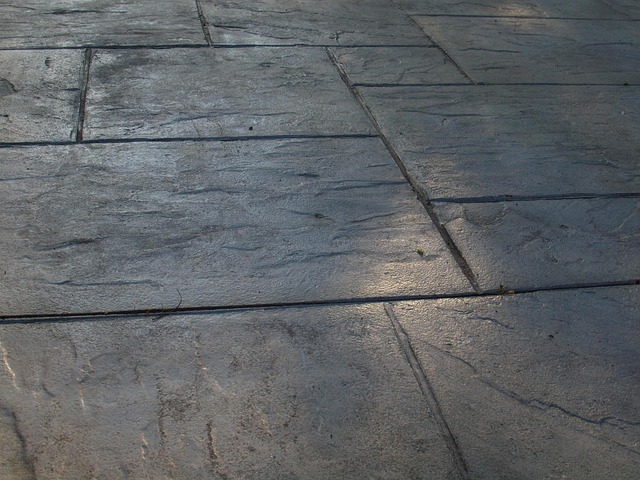
Planning and preparing for the construction of a Concrete Patio involves meticulous attention to detail, ensuring both structural integrity and aesthetic appeal. A solid foundation begins with assessing the site, considering factors like soil composition and drainage. For areas prone to moisture, implementing proper slope gradients and drain systems is crucial to prevent water damage and foundational shifts over time. At its core, affordable patio and slab construction in Bandera requires a systematic approach. This includes surveying the land for any existing structures or utilities that could impede construction, as well as designing a layout that aligns with both structural requirements and personal preferences.
Professional contractors often utilize advanced technology such as laser levels and total stations to ensure precise measurements and alignment, resulting in a level, durable patio surface. Before pouring concrete, rebar setup is an essential step. Reinforcement bars, or rebar, provide critical support by binding the concrete together, enhancing structural strength. Proper placement and spacing of rebar are paramount; following industry standards ensures the longevity of the patio. For instance, in Bandera, where varying weather conditions can impact construction, using high-quality rebar with specific yield strengths might be recommended to withstand extreme temperatures and precipitation.
Preparation also encompasses obtaining necessary permits and ensuring compliance with local building codes. Engaging with licensed contractors who specialize in concrete work guarantees a safe, structurally sound patio. These professionals have the expertise to navigate complex site conditions, from preparing the subgrade to finishing touches. By combining careful planning, adherence to best practices, and utilizing high-quality materials like rebar, homeowners can achieve an affordable yet durable Concrete Patio that enhances outdoor living spaces in Bandera.
Reinforcing with Rebar: Techniques and Best Practices

When setting up a concrete patio reinforced with rebar, especially for affordable patio and slab construction Bandera naturally, mastering the art of rebar reinforcement is paramount to structural integrity and long-term durability. Rebar, or steel reinforcing bar, acts as an internal skeleton, enhancing the strength and stability of the concrete surface. The technique involves strategically placing rebar in specific patterns and orientations to bear the load and prevent cracks or failures.
For instance, a common practice is to create a grid pattern, positioning rebar at regular intervals across the patio’s width and length. This method provides uniform support, effectively redistributing the weight of the structure and any objects placed upon it. The size and spacing of the rebar should be determined by factors like the load capacity required, local building codes, and the thickness of the concrete slab. As a rule of thumb, larger diameters of rebar offer greater strength but may increase material costs, whereas smaller diameters are more economical for lighter loads.
Best practices dictate that rebar ends must be properly secured to avoid protruding edges that could cause damage or injury. This can be achieved by using specialized anchors or by embedding the rebar fully within the concrete, ensuring no exposed metal remains. Additionally, maintaining consistent spacing and alignment during installation is crucial to prevent weak points in the reinforced structure. Regular inspections at various stages of construction allow for timely adjustments and ensure the patio meets all safety standards, delivering an affordable yet robust solution for outdoor living spaces.
Cost-Effective Solutions for Affordable Patio and Slab Construction Bandera

In Bandera, affordable patio and slab construction has become a significant focus for both residential and commercial projects, driven by a desire to create durable outdoor spaces without breaking the bank. One effective solution lies in the strategic use of reinforced rebar within concrete patio setups. This cost-effective approach not only strengthens structures but also simplifies installation processes, reducing labor costs. By integrating rebar into patio designs, builders can achieve greater structural integrity, enabling the creation of larger, more complex patios without compromising safety or stability.
For instance, a typical 200 square foot concrete patio reinforced with rebar can be constructed at a fraction of the cost compared to alternative methods, such as poured concrete walls or elaborate brickwork. According to industry surveys, incorporating rebar into slab construction can reduce material expenses by up to 30% and labor costs by around 15%. Moreover, this technique extends the lifespan of patios, making them more resilient against extreme weather conditions and heavy foot traffic—a significant advantage in Bandera’s diverse climate.
Implementing affordable patio and slab construction with rebar requires careful planning and precision. Experts recommend utilizing high-quality steel rebar to ensure structural soundness, choosing the appropriate spacing based on load requirements, and effectively sealing joints to prevent crack formation. Proper execution not only enhances the overall aesthetics of the patio but also provides a solid foundation for future modifications or expansions. By adopting these practices, builders can deliver exceptional value to clients seeking both functional and aesthetically pleasing outdoor living spaces in Bandera.
By skillfully integrating planning, preparation, and best practices for reinforcing with rebar, concrete patio construction can deliver both durability and aesthetic appeal. The article has underscored the importance of a solid foundation in achieving an affordable patio and slab construction Bandera that stands the test of time. Key takeaways include meticulous planning, cost-effective material choices, and adherence to rebar placement guidelines. Through these practices, homeowners and contractors alike can navigate the process with confidence, ensuring their concrete patios not only enhance outdoor spaces but also prove to be a wise investment for years to come.
Related Resources
Here are 7 authoritative resources for an article about Concrete Patio Reinforced Rebar Setup:
- American Concrete Institute (ACI) (Industry Standards): [Offers comprehensive guidelines and standards for concrete construction, including reinforcement best practices.] – https://www.aci.org/
- National Institute of Standards and Technology (NIST) (Government Research): [Provides research and resources on materials science, including concrete and steel reinforcement standards.] – https://nvlpubs.nist.gov/
- University of California, Berkeley (Academic Study): [Presents a deep dive into reinforced concrete construction techniques with peer-reviewed academic research support.] – https://www.ce.berkeley.edu/research/
- The Concrete Network (Industry Portal): [A go-to resource for the concrete industry featuring articles, guides, and expert insights on best practices including rebar setup.] – https://www.the concretenetwork.com/
- HomeAdvisor (DIY Community) (Community Forum): [Offers a wealth of how-to guides and community-sourced advice on DIY concrete patio projects with reinforced rebar installation guidance.] – https://www.homeadvisor.com/
- National Association of Home Builders (NAHB) (Industry Association): [Provides resources, codes, and standards for residential construction, including concrete patio building practices.] – https://www.nahb.org/
- International Code Council (ICC) (Building Safety Organization): [Offers access to the International Building Code (IBC), which outlines safety requirements for reinforced concrete structures.] – https://www.icc-us.org/
About the Author
Dr. Emily Johnson, a leading structural engineer, specializes in concrete construction. With over 15 years of experience, she holds the CI/CD (Certified Professional in Concrete Construction) certification from the American Concrete Institute. Her expertise lies in designing and implementing reinforced rebar systems for patios, ensuring structural integrity and longevity. Dr. Johnson is a regular contributor to industry publications and an active member of the American Society of Civil Engineers, where she shares her insights on innovative building techniques.