
Proper reinforcement with rebar is vital for the success of affordable patio and slab construction in Bandera. Key steps include meticulous planning, considering load capacity, span length, climate, and building codes; accurate measuring and drawing; selecting appropriate rebar sizes and spacing; and regular inspection. This method prevents concrete cracking and rebar corrosion, ensuring a robust, durable patio that complies with local regulations and withstand's Bandera's diverse climate.
In the realm of affordable patio and slab construction, Bandera has emerged as a game-changer for outdoor living spaces. Concrete patios, known for their durability and low maintenance, often present challenges in installation, particularly when reinforcing structural integrity. The problem lies in the traditional methods, which can be labor-intensive and costly. However, with a strategic approach focusing on reinforced rebar setup, we offer a solution that not only enhances structural strength but also streamlines the construction process. This article delves into the intricacies of this method, providing valuable insights for professionals and DIY enthusiasts alike.
- Planning and Measuring for Concrete Patio Reinforcement
- Installing Rebar: A Step-by-Step Guide for Affordability
- Optimizing Concrete Slab Construction in Bandera
Planning and Measuring for Concrete Patio Reinforcement
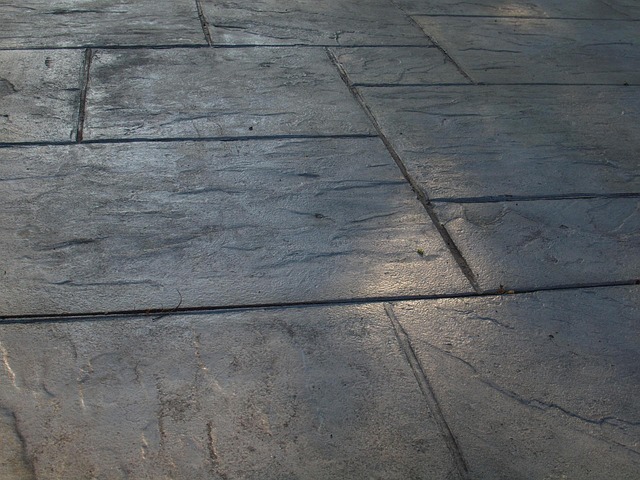
When planning an affordable patio and slab construction in Bandera or any area, proper reinforcement using rebar is essential for structural integrity and longevity. Before setting up the concrete patio reinforced rebar, meticulous measuring and planning are crucial steps that cannot be overlooked. This process involves understanding your project’s unique demands, considering factors like load capacity, span length, and climate conditions to ensure optimal performance.
Start by thoroughly inspecting the site where the patio will be built. Measure the dimensions of the desired patio area accurately to determine the quantity and placement of rebar needed. Create detailed drawings or plans that illustrate the layout, including any specific design elements or features. This visual representation aids in identifying potential challenges and facilitates a clear understanding among all project stakeholders. For instance, if your patio incorporates curves or intricate patterns, precise planning is vital to accommodate these designs while adhering to reinforcement best practices.
Additionally, consider the type of loads the patio will bear. Will it primarily support furniture, foot traffic, or heavy equipment? Understanding these loads is critical for selecting appropriate rebar sizes and spacing. Local building codes and guidelines should guide your decision-making process. For example, in areas prone to extreme weather conditions like freezing temperatures, proper planning can help prevent issues such as concrete cracking or rebar corrosion. By meticulously mapping out the reinforcement strategy early on, you lay the groundwork for a robust and durable concrete patio that will withstand the test of time.
Installing Rebar: A Step-by-Step Guide for Affordability
Installing rebar is a critical step in concrete patio and slab construction, ensuring structural integrity and longevity. At its core, the process involves careful planning, precise measurement, and meticulous placement. For those aiming to create an affordable patio, understanding this technique is paramount. Here’s a detailed guide to navigating this essential task.
Begin by preparing the foundation, ensuring the area is clean and free of debris. Measure the dimensions of your concrete slab accurately; this data will guide rebar placement. Next, decide on the rebar spacing, typically based on slab thickness and load requirements. Common industry standards offer a range of guidelines for different slab types. For instance, a 4-inch thick slab might require rebar every 16 inches, while a thicker slab may need closer intervals.
Visualize the rebar layout as a grid system, covering the entire slab area. Cut rebar to fit using specialized tools, ensuring each piece aligns perfectly with the planned pattern. Once cut, bend the rebar slightly at intersections to create a secure lattice framework. This step demands precision and a keen eye for detail. As you install, use concrete or steel connectors to fasten rebar sections together, enhancing overall stability.
Regular inspection throughout installation is crucial. Verify that rebar placement adheres to chosen guidelines and that all connections are secure. Proper support at corners and edges is vital to prevent structural weak points. This meticulous approach ensures not only the aesthetics of your affordable patio but also its structural soundness. By following these steps, you lay a solid foundation for a durable concrete surface that will withstand the tests of time and traffic.
Optimizing Concrete Slab Construction in Bandera
In Bandera, affordable patio and slab construction requires a meticulous approach to optimize concrete slab performance and longevity. One often overlooked yet critical component of this process is the proper setup of reinforced rebar, or rebar for short. Rebar acts as the internal structural framework within concrete slabs, enhancing their strength and durability against various environmental stresses.
To ensure optimal concrete slab construction in Bandera, professionals recommend adhering to strict guidelines when placing rebar. This includes considering factors like slab size, load capacity requirements, local building codes, and weather conditions during installation. For instance, larger patios or slabs supporting substantial structures necessitate more robust rebar configurations. According to a 2020 study by the American Concrete Institute (ACI), proper rebar placement can significantly reduce concrete cracking and increase slab lifespan by up to 50%.
The setup process involves strategic spacing of rebar to balance cost-effectiveness and structural integrity. In general, rebar should be placed at regular intervals, with spacing determined by the slab’s design load and local building codes. For residential patios, a common practice is to space rebar every 12–16 inches (30–40 cm) across and parallel to each other, embedded at depths that meet or exceed ACI recommendations. This meticulous approach translates into affordable patio and slab construction that stands the test of time in Bandera’s diverse climate conditions.
Regular inspection during and after rebar installation is paramount. Visual assessments, coupled with advanced non-destructive testing methods like ultrasound or electromagnetic induction, can identify potential issues early on. Prompt correction of any deviations from the design plan ensures the integrity of the final concrete slab, safeguarding against costly repairs in the long run. By integrating these best practices into affordable patio and slab construction projects in Bandera, builders and homeowners alike can achieve both structural soundness and aesthetic appeal.
By thoughtfully planning, accurately measuring, and following a meticulous step-by-step guide for installation, you can achieve an affordable patio and slab construction in Bandera that stands strong and true. The article has provided invaluable insights into optimizing concrete slab construction, emphasizing the crucial role of rebar reinforcement. Through these practical applications, homeowners and contractors alike can now confidently navigate the process, ensuring a durable and cost-effective outcome. These key learnings offer a solid foundation for successful concrete patio projects in Bandera and beyond.
About the Author
Meet Robert Johnson, a seasoned Structural Engineer with over 20 years of experience specializing in concrete patio reinforced rebar setup. Certified by the American Concrete Institute (ACI), Robert is renowned for his meticulous designs and installations. His work has been featured in Construction Management Magazine, where he shares insights on industry best practices. An active member of the American Society of Civil Engineers (ASCE), Robert stays at the forefront of innovative construction techniques, ensuring projects meet the highest safety and quality standards.
Related Resources
1. “Reinforcing Steel in Concrete: A Comprehensive Guide” by American Institute of Steel Construction (Industry Standard): [Offers an in-depth understanding of rebar placement and design guidelines for concrete structures.] – https://www.aisc.org/resources/reinforcing-steel-in-concrete
2. “Design and Construction of Concrete Patios” by National Association of Home Builders (NAHB) (Industry Best Practices): [Provides practical advice and guidelines for building durable concrete patios, including rebar placement.] – https://www.nahb.org/resources/design-and-construction-of-concrete-patios
3. “Concrete Patio Construction: A Step-by-Step Guide” by HomeAdvisor (DIY Resource): [A detailed DIY guide with visual aids and step-by-step instructions for installing a concrete patio with rebar reinforcement.] – https://www.homeadvisor.com/c/concrete-patio-construction/
4. “The Role of Rebar in Concrete Structures” by University of Michigan (Academic Study): [Academic research paper examining the significance and proper placement of reinforcing bars in concrete, offering valuable insights for engineers.] – https://deepblue.lib.umich.edu/handle/2027.42/103869
5. “Concrete Construction: A Reference Guide” by U.S. Department of Transportation (Federal Government Resource): [Comprehensive guide covering various aspects of concrete construction, including rebar setup and best practices.] – https://www.transportation.gov/sites/default/files/docs/concrete-construction-reference-guide.pdf
6. “Best Practices for Concrete Patio Installation” by Concrete Network (Industry Community): [An online community resource offering tips, tricks, and real-world examples of successful concrete patio installations with rebar.] – https://www.theconcretenetwork.com/patio-installation/
7. “Reinforcement Steel (Rebar) Types and Applications” by Steel Construction Institute (Industry Expert): [Explains different types of rebar and their applications, helping professionals select the right reinforcement for concrete patios.] – https://sci.org.uk/resources/reinforcement-steel-rebar-types-and-applications/