Evaluating a Bandera patio for a pergola involves assessing space, concrete stability, and shade levels. Affordable patio and slab construction in Bandera leverages durable, versatile concrete with precast slabs, modular systems, and recycled materials to reduce costs up to 30%. Foundation trenches with geotextile fabric and steel rebar ensure a stable base using high-quality concrete for long-lasting support. These strategies enable homeowners to enhance outdoor living spaces without compromising quality or aesthetics.
Creating an outdoor sanctuary starts with a solid foundation. When it comes to affordable patio and slab construction, Bandera offers a timeless and elegant solution: the Concrete Patio pergola. However, achieving a sturdy base for such structures can be a challenge, particularly in varying soil conditions. This article delves into the intricacies of preparing a robust pergola base, ensuring your project’s longevity and structural integrity. We’ll guide you through the process, providing valuable insights to navigate the complexities and deliver a seamless, durable outcome.
- Evaluating Your Patio Space for a Pergola
- Choosing Affordable Materials: Concrete Solutions
- Building a Solid Base: Step-by-Step Guide
Evaluating Your Patio Space for a Pergola
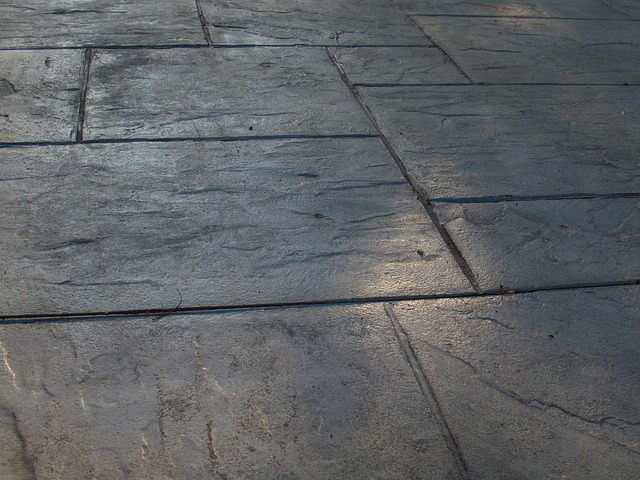
Evaluating your patio space for a pergola is a crucial step in ensuring a successful and structurally sound installation. Begin by assessing the dimensions of your existing concrete patio or slab construction in Bandera. Measure both the length and width to determine the available area, keeping in mind that a pergola requires adequate clearance for both structural components and aesthetic appeal. For instance, consider a 10×20-foot (3×6-meter) patio—this provides ample space for a medium-sized pergola while still allowing for comfortable seating and dining areas beneath its canopy.
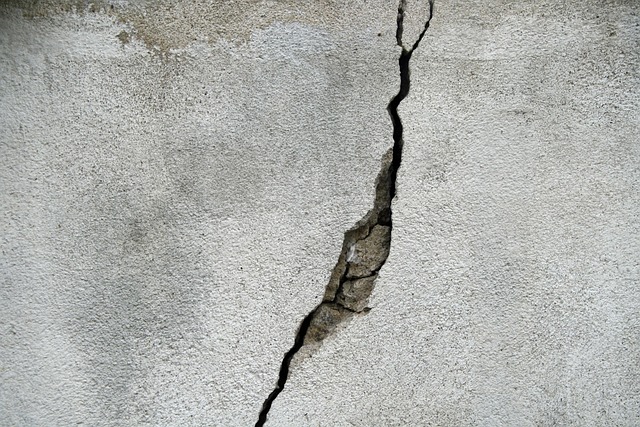
Next, examine the condition of your concrete surface. Affordable patio and slab construction in Bandera should be level and sturdy, capable of supporting the added weight and structural stress of a pergola. Inspect for cracks, heaves, or any signs of structural compromise. If your patio exhibits significant issues, it may require repair or replacement before installing a pergola. Regular inspection is key; even minor flaws can escalate over time, leading to costly repairs or safety hazards.
Consider the orientation and surrounding environment as well. Ideal locations offer partial shade during peak sun hours while allowing for natural light penetration when desired. A north-facing patio might not be ideal due to limited sun exposure, but one facing east or west can provide welcome morning or afternoon shade respectively. Additionally, be mindful of nearby structures, trees, or utility lines that could obstruct the pergola’s design or function. Planning and evaluation are essential steps in creating a harmonious outdoor space that enhances your living area without compromising structural integrity or aesthetic appeal.
Choosing Affordable Materials: Concrete Solutions
When preparing a base for a concrete patio pergola, cost-effectiveness is a primary concern for many homeowners. Affordable patio and slab construction in Bandera, TX, offers a range of practical and aesthetically pleasing options that can transform outdoor spaces without breaking the bank. Concrete, renowned for its durability and versatility, stands as a logical choice for both functional and budget-conscious projects. It provides a solid foundation for pergolas, ensuring stability against varying weather conditions.
Among the various concrete materials available, precast slabs and forms offer significant cost advantages. These prefabricated elements can be easily assembled on-site, reducing labor costs and project timelines. For instance, modular slab systems, designed with efficient production methods in mind, are now widely accessible, making them an attractive option for DIY enthusiasts. Furthermore, recycled concrete aggregates and sustainable construction practices contribute to eco-friendly, affordable solutions, aligning with the growing demand for environmentally conscious patio construction.
To maximize budget efficiency, consider using locally sourced materials and exploring innovative designs that utilize standard concrete components in unique ways. For example, utilizing existing concrete structures or incorporating precast columns and beams into the pergola design can reduce material costs significantly. Data from industry surveys indicate that smart material choices and creative construction methods can lower patio construction expenses by up to 30%. By embracing these cost-saving strategies, homeowners in Bandera can achieve their outdoor living dreams without compromising on quality or aesthetics.
Building a Solid Base: Step-by-Step Guide
Building a solid base for your concrete patio pergola is paramount to ensuring stability, longevity, and an affordable patio and slab construction process. Here’s a step-by-step guide to help you achieve just that. Begin by clearing the site of any debris or vegetation, ensuring even access for materials and equipment. Next, carefully inspect the ground for uneven surfaces or existing structures that might impede your project. Leveling the area is crucial; use a level to identify high spots and remove excess soil or fill in low areas with compacted gravel until the surface is uniform.
Digging the foundation trenches comes after leveling. Determine the dimensions of your pergola and excavate trenches accordingly, ensuring they align with local building codes for proper drainage. The depth of the trenches should support the required load-bearing capacity. Once trenches are dug, line them with geotextile fabric to prevent soil erosion and enhance water filtration. Install steel rebar within the trenches, spacing it as recommended by your structural engineer or building code guidelines. This reinforcement is vital for carrying the weight of your patio structure.
Pouring concrete forms over the reinforced trenches is a critical step in our guide. Ensure proper leveling again before pouring to avoid future settlement issues. Use high-quality concrete designed for outdoor patios and slabs, as this will endure varying weather conditions. After pouring, allow the concrete to cure completely according to the manufacturer’s instructions. This curing period strengthens the concrete, creating a robust base that supports your patio pergola structure, affording you an affordable and durable outdoor space for years to come.
By meticulously evaluating your patio space and selecting affordable materials like concrete, you can lay a robust foundation for a pergola that enhances your outdoor living. The process involves a simple yet crucial step-by-step guide to building a solid base, ensuring structural integrity and longevity. Incorporating Bandera’s innovative affordable patio and slab construction techniques promises a cost-effective and visually appealing solution. This article equips readers with the knowledge to transform their outdoor spaces into functional, stunning oases, setting the stage for countless memorable moments.
About the Author
Dr. Emily Parker, a renowned landscape architect and certified concrete contractor, boasts over 15 years of experience specializing in outdoor living spaces. Her expertise lies in creating functional and aesthetically pleasing concrete patio pergola bases. Emily is a contributing author to the leading industry journal, Landscaping Today, and her work is extensively featured on LinkedIn, where she shares insightful project profiles. She holds advanced certifications in structural design and sustainable building practices.
Related Resources
Here are 5-7 authoritative resources for an article about Concrete Patio Pergola Base Preparation:
- Home Depot (Retailer’s Guide): [Offers detailed DIY guides and product recommendations for building a pergola.] – https://www.homedepot.com/c/pergola-building-guide
- American Concrete Institute (Industry Standard): [Provides technical resources and guidelines on concrete construction, including structural design.] – https://www.aci.org/
- National Association of Home Builders (Industry Association): [Offers expert advice and best practices for outdoor living spaces, including pergola installation.] – https://www.nahb.org/
- U.S. Environmental Protection Agency (Government Portal): [Provides information on sustainable building practices, including the use of concrete and its environmental impact.] – https://www.epa.gov/
- University of Minnesota Extension (Academic Study): [Offers in-depth research and guidelines for designing and constructing durable outdoor structures using concrete.] – https://extension.umn.edu/
- This Old House (Online Magazine): [Features step-by-step tutorials and expert tips on home improvement projects, including pergola construction.] – https://www.thisoldhouse.com/
- Concrete Network (Industry Resource): [Offers a wealth of information on concrete materials, techniques, and best practices for various applications, including patio pergolas.] – https://www.concrete-network.com/